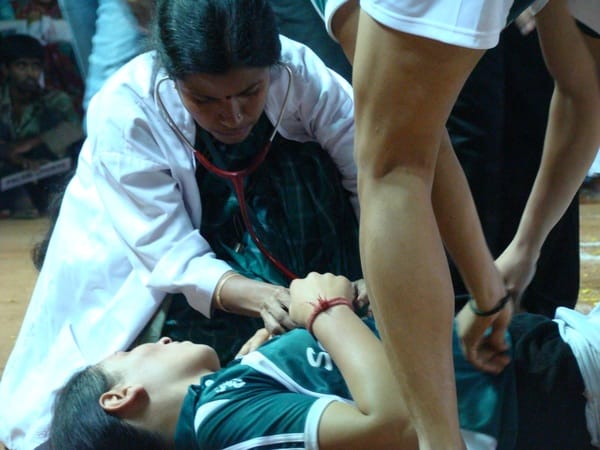
File pic. Pic: Yograj S Mudalgi
Let’s take a break from the “informed consent” conversation. Recently, a major hospital in Bengaluru was vandalised by a patient’s family. Equipment was broken, personnel were threatened and the care of other patients was disrupted. The incident generated an anxious response from the medical community. Several well-known healthcare professionals from Bengaluru expressed their concerns.
As doctors, we work for the well-being of our patients. For most of us, a life saved, a morbidity avoided or a patient’s satisfaction at the end of the day is more rewarding than any amount of money. In fact, when my patients are not recovering well, I struggle to relax at home. I am unable to give the time and the presence of mind that my family deserves.
Interestingly, I experienced this as a child as well. As a son of a surgeon, there were days when we cancelled dinner, we returned early from vacations and sometimes I did not see my father before I went to bed. Today, I understand and do the same—place the needs of my patient ahead of the immediate needs of my family.
Well, what does this have to do with the act of atrocity that happened? Patients are often upset and disappointed with a bad outcome—a natural reaction to a calamity. The human body is not a machine, it cannot always be repaired or replaced. Science and medicine have made large leaps in the type of care we are able to offer. However, we are far from perfect and patients will have a better experience with health care if they understand that we facilitate their well-being. I wish we had a magic wand! My point is, why let out frustrations with a situation on a group of professionals trying to help you or your family?
In my opinion, communication between the doctor and the patient is critical. Rather than being paternalistic and stating that “everything will be ok”, as a doctor it is our responsibility to give the patient the right expectations. Negligence, disrespect, apathy or substandard care cannot be justified. Of course there are clear instances when there has been negligence in the delivery of care. The patient and family should then use appropriate channels to investigate the case and have a review. Vandalising a healthcare facility is not going to help the patient or the doctor in any way.
So, when any one of us loses a loved one, we are traumatised, disturbed and hurt. Channelising this energy in a positive way will help build a stronger health care delivery system. Just as there is a human being and an emotion behind every disease, there is a human being, a family, children and a life behind every doctor. I could have become a lawyer, a businessman, a banker, the list goes on! I chose to be a doctor because I like caring for patients.
Incidents, like the recent episode make it harder for me to do the work my patients need; and make it harder for me to do the work I want to do! Doctors will be wary of accepting complex and difficult patients if they feel threatened. Rather than widening the gap between patients and doctors, let us try and build a stronger doctor-patient relationship!
Related Articles
Before you say okay to a medical procedure
To err is human: so what can doctors do?