A Way of Seeing the Everyday

In his classic book, ‘Ways of Seeing’ John Berger says,

“The relation between what we see and what we know is never settled.
“Each evening we see the sun set. We know that the earth is turning away from it.”
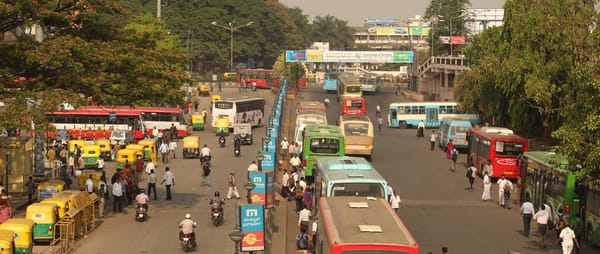
what we know

a Street for Cars and People to move
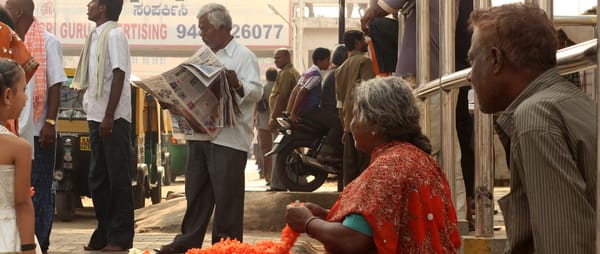
what we see 
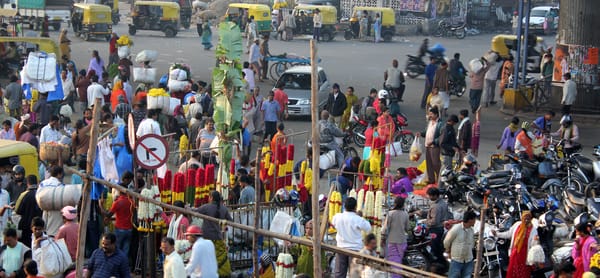
what we know

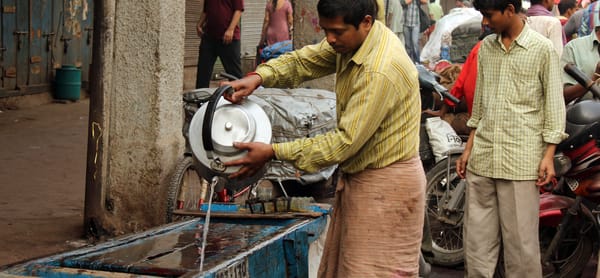
There must be an EDGE differentiating spaces and functions, a distinction between where the street vendor belongs, where the pedestrian walks and where the vehicles move.

“We only see what we look at. To look is an act of choice.”

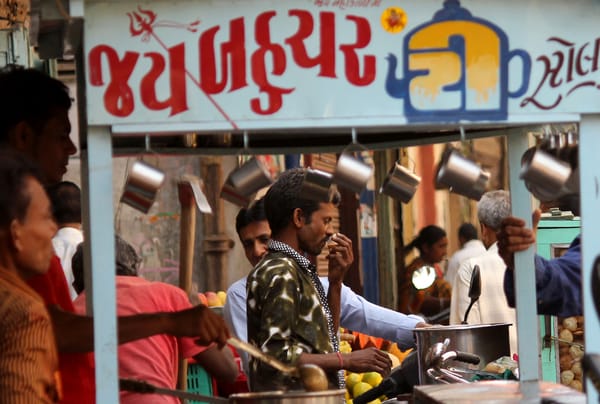
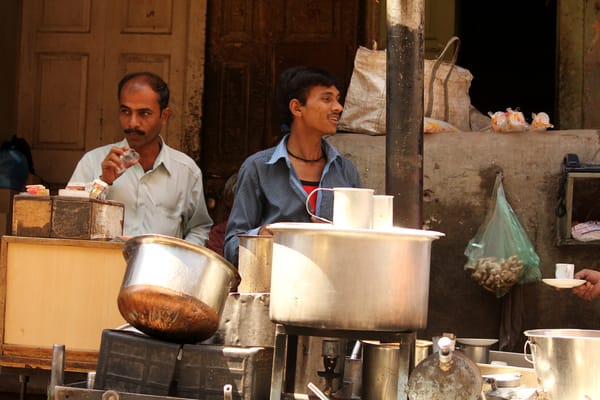
And, if we were to “look at” the place of chai in our streets…
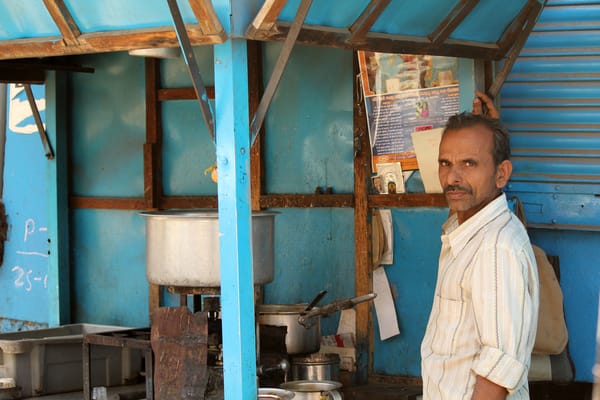
Creating the social space that people need as introspection, as interaction or as sharing of experiences. 

“We are always looking at the relation between things and ourselves.” 
“Soon after we can see, we are aware that we can also be seen”
“Every image embodies a way of seeing.”
Leave a Reply

Your email address will not be published. Required fields are marked *

Similar Story

The plague goddess, the Ashwath Katte and the CITY

In an article in LiveMint, ‘Of plagues, people and the everlasting impact of short events’, Anurag Behar, the CEO of Azim Premji Foundation writes, “We have not dealt with anything like this before, individually or collectively as a modern global society.” The article begins with a reference to William McNeill’s book on epidemiological history, Plagues and People that discusses the influence of diseases on the course of humanity. Behar writes about his chance encounter with this book at a Washington DC book store just a month ago and the turn of events thereafter.  As I read this article, I think…

Similar Story

Bengaluru’s poor public transport utilisation needs urgent attention: B.PAC survey

Bengaluru took the top spot this year as the world’s most congested city with commuters expecting to spend an average of 71 per cent extra travel time stuck in traffic. According to the survey conducted by B.PAC, 33 % of the survey respondents said that they do not use public transport in Bengaluru becauseof lack of frequency. First and Last Mile Connectivity to Public Transport in Bengaluru

The city with a population of over 12 million has nearly 8 million vehicles on road as of 2020. The draft revised Master Plan for Bengaluru – 2031 states that the modal share of public transport in total overall trips is only 48% as against 82 % for Mumbai.A city such as Bengaluru which has only 42 Kms of Metro serviced  that too for limited locations and a negligible suburban rail service, an efficient bus transport system is the only most significant public transport system available in the short and medium term. Since the arrival of metro services in the…